
Caring for a dental implant properly is one of the most important steps in ensuring long-term success. While the procedure itself is highly predictable, the healing process depends heavily on what you do afterward. Good aftercare supports proper integration of the implant with your jawbone, reduces discomfort, and helps you avoid complications.
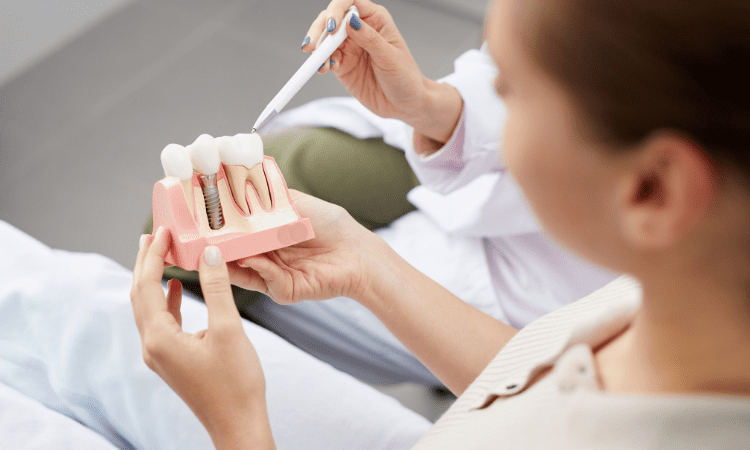
Understanding the Healing Process
A dental implant heals in stages, beginning with the body’s natural response to surgery. In the first few days, mild swelling, tenderness, and a small amount of bleeding are normal. The titanium implant then begins to fuse with the bone in a process called osseointegration. This phase can last several months and requires keeping the surrounding tissues healthy. Although this process happens internally, your daily habits greatly influence its success.
Managing the First 24 to 48 Hours
After the procedure, it’s essential to protect the surgical site and avoid disturbing the clot that forms around the implant. You may be advised to bite gently on gauze to control minor bleeding and apply an ice pack intermittently to reduce swelling. Soft foods and plenty of fluids help you stay comfortable without putting pressure on the area. It’s best to avoid hot drinks, alcohol, and anything that requires vigorous chewing. Gentle rest allows your body to focus on the initial stages of healing, and keeping your head slightly elevated can lessen swelling.
Maintaining Oral Hygiene
Good oral hygiene is one of the strongest predictors of implant success. Even though your mouth may be tender at first, keeping the area clean reduces the chance of infection. You can usually begin rinsing with warm salt water the day after surgery to soothe the gums and support healing. Brushing should continue as usual, but you’ll want to avoid the immediate surgical site until your dentist confirms it is safe to clean more directly. Once sensitivity decreases, you can brush around the implant with a soft-bristled toothbrush, taking care not to apply too much pressure.
Eating and Lifestyle Adjustments
Most patients find that they can return to a normal diet within a week or two, but it’s wise to introduce firmer foods gradually. Sticky, crunchy, or extremely hard foods should be avoided during the early stages because they can stress the implant or irritate the gum tissue. Smoking slows healing dramatically and increases the risk of implant failure, so reducing or eliminating tobacco use can make a significant difference in outcomes. It’s also helpful to avoid using straws for the first few days, as the suction can disrupt the blood clot at the surgical site.
Recognizing What’s Normal and What’s Not
While mild discomfort and swelling are expected during the first week, pain that worsens over time or unusual swelling may indicate a problem. Persistent bleeding, fever, or an unpleasant taste around the implant should also be evaluated as soon as possible. Complications are rare, but early attention from your dentist helps prevent minor issues from becoming more serious. Trusting your instincts is important. If something feels wrong, it’s always better to ask.
Long-Term Care for Your Implant
Once the implant has fully healed and your crown or restoration is in place, caring for it becomes much like caring for a natural tooth. Daily brushing and flossing help protect the gum tissue and prevent inflammation around the implant. Regular dental checkups allow your dentist to monitor the health of both the implant and the surrounding bone. Avoiding habits like chewing ice or opening packages with your teeth will further protect your restoration.
Dental Implants in Buford, GA
At Lanier Family & Cosmetic Dentistry, we understand the importance of a complete bite. If you have a missing tooth, a dental implant may be your best option to restore your smile, confidence, and quality of life. Contact our office today to schedule a consultation and learn more about your treatment options for tooth loss.